

First Sentences
252 Words
Josephine Baker was a woman.
She was born in 1906.
She was born in the United States.
She was born in St. Louis.
Her family was poor.
She lived in a small house.
Many people lived with her.
Life was hard for her.
Josephine liked to dance.
She liked to make people smile.
She had big dreams.
When she was young, she helped her mother.
She cleaned houses.
She took care of children.
She did not go to school every day.
She watched people.
She listened and learned.
Josephine danced in the street.
She danced to get money.
People laughed and smiled.
People gave her coins.
She was happy.
She joined a small show.
She danced on a stage.
People liked her dancing.
She was fast and funny.
Josephine went to France.
She lived in Paris.
People in Paris loved her.
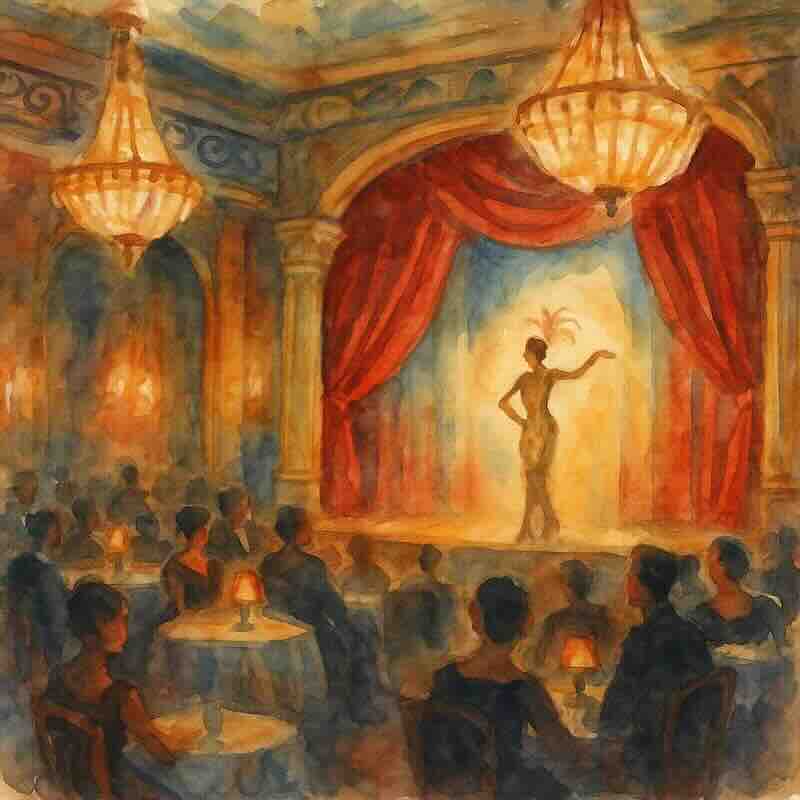
She danced in big theaters.
She became very famous.
She was a dancer.
She was also a singer.
She was also an actress.
Many people knew her name.
She loved animals.
She had a pet cheetah.
She walked with it outside.
She helped France in the war.
She helped people in secret.
She was very brave.
She wanted all people to be equal.
She said Black and white people are the same.
She said people should sit together.
She wanted a big family.
She adopted many children.
Her children came from many countries.
She called them her family.
Josephine had a last show in Paris.
People clapped and cheered for her.
Level 1 Reader
620 Words
A Girl with Big Dreams
Josephine Baker was born in 1906 in St. Louis, Missouri, in the United States. Her family was poor. She lived in a small house with many people. Life was hard. But Josephine liked to dance. She liked to make people smile. She had big dreams.
When she was young, Josephine helped her mother clean houses. She also looked after other people’s children. She did not go to school every day. But she watched people. She listened. She learned.
Dancing in the Street
Josephine danced on the street to make money. She smiled and moved her body in funny ways. People laughed and gave her coins. She was happy. She wanted to dance more.
When she was a teenager, Josephine joined a small show. She traveled to other cities. She danced on stage. People liked her. She was fast. She was funny. She was different.
A New Life in France
In 1925, Josephine went to Paris, France. Life in America was hard for Black people. But in Paris, it was better. People in Paris loved her. She danced in a big theater. She wore fun clothes and big smiles. She became a star.
Josephine danced with energy. She moved her arms and legs like no one else. Her shows were full of music, color, and fun. People clapped. They laughed. They stood up and cheered.
A New Kind of Star
Josephine was not just a dancer. She was also a singer and an actress. She made songs and movies. She was very famous in Europe. Everyone knew her name. She had many fans.
She also loved animals. She had a pet cheetah. She took it for walks on the street!
Josephine lived in a big house in France. She wore beautiful clothes. She met important people. But she did not forget her past.
Helping in the War
During World War II, Josephine helped France. She worked for the French government. She carried secret messages. She helped soldiers. She used her fame to help others. She was very brave.
After the war, France gave her medals. She was a hero.
Fighting for Equality
Even though she lived in France, Josephine did not forget America. She knew life was still hard for Black people in the U.S. She went back to America and spoke to people. She said, “We are all the same. Black, white — it does not matter.”
She said no to shows where Black people could not sit in the front. She wanted all people to sit together. She worked with Martin Luther King Jr. She spoke at the March on Washington in 1963.
A Big Family
Josephine could not have children. But she wanted a big family. So she adopted many children from different countries. She called them her “Rainbow Tribe.” She had children from Japan, Algeria, Finland, Colombia, and more.
She said, “Children from all over the world can live in peace.”
She showed the world that people from different places can be one family.
A Star Forever
In 1975, Josephine had a big show in Paris. It was her last show. She was 68 years old. Many people came to see her. They clapped and cheered.
A few days later, she died. France gave her a big goodbye. In 2021, her body was moved to the Panthéon in Paris — a place for heroes. She was the first Black woman to be honored there.
Josephine’s Light
Josephine Baker was a dancer, a singer, a spy, and a fighter for peace. She made people smile. She made people think. She used her fame to help others. She believed in love, peace, and family.
Josephine showed the world that one person can make a big change.
Level 2 Reader
578 Words
A Star is Born
Josephine Baker was born in 1906 in St. Louis, Missouri, in the United States. Her family was very poor. She lived in a small house with many brothers and sisters. Her mother worked as a cleaner and took care of the family. Life was not easy. Josephine started working when she was very young. She cleaned houses and looked after children. But Josephine had big dreams.
From a young age, Josephine loved to dance and perform. She made funny faces and danced in the street to earn money. People laughed and clapped. She knew she wanted to be on stage.
A New Life in Paris
When Josephine was a teenager, she joined a traveling show. She performed on stage in different cities. People liked her dancing, but in the United States, she was not always treated well because of her skin color. At that time, Black people did not have the same rights as white people.
In 1925, Josephine moved to Paris, France. Everything changed. In Paris, people loved her. She became a star. She danced in beautiful costumes. One famous dance was the “banana dance,” where she wore a skirt made of bananas. It was new, wild, and exciting. Audiences were amazed.
Josephine also sang in many shows. She was the first Black woman to become famous on the international stage. Paris gave her the freedom to be herself. She said, “I have two loves: my country and Paris.”
More Than an Entertainer
Josephine was not only a dancer and singer. She was also very brave. During World War II, she helped the French Resistance. She gave secret messages to the French military. She hid important papers in her clothes and music sheets. She also helped Jewish people escape from danger.
Because of her bravery, the French government gave her many medals after the war. She was not just a performer—she was a hero.
Fighting for Equality
Josephine never forgot about the problems in the United States. When she returned to visit, she saw that Black and white people still could not eat at the same restaurants or stay at the same hotels. She was shocked and angry.
She started to speak out against racism. She refused to perform for audiences that were not mixed. She joined the Civil Rights Movement and worked with Dr. Martin Luther King Jr.
In 1963, she spoke at the March on Washington. She wore her French military uniform and said that one day, all children—Black and white—would play together in peace.
A Big Family
Josephine also had a dream of creating a big, happy family. She adopted 12 children from different countries. She called them her “Rainbow Tribe.” She wanted to show that people from different races and cultures could live together in peace.
She lived with her children in a big house in France. She welcomed visitors and shared her message of love and hope.
Final Days and Legacy
Even when she was older, Josephine kept performing. In 1975, she returned to the stage for a big show in Paris to celebrate her 50 years as a performer. Famous people came to see her.
Sadly, just days after the show, Josephine passed away. She was 68 years old.
France gave her a great honor—she was buried in Paris with a military ceremony. Today, people around the world remember her as a star, a fighter, and a woman with a big heart.
Level 3 Reader
668 Words
A Life of Courage and Glamour
Josephine Baker was more than a famous dancer and singer. She was a symbol of strength, style, and resistance. Born in the United States, she found fame in France and used her voice not just to entertain, but also to fight for justice.
Early Life in America
Josephine Baker was born in 1906 in St. Louis, Missouri. Her childhood was marked by poverty and racism. As a young Black girl in the early 20th century, her opportunities were limited. Her family was poor, and she had to work from a young age. She left school early and began performing on the streets for money. Even as a teenager, she showed determination and talent.
She joined a traveling vaudeville show as a dancer, which gave her the chance to perform in different cities. But America at that time was still deeply segregated, and Black performers were often treated unfairly. Josephine knew she needed to go somewhere else to be truly free.
Fame in France
In 1925, Baker moved to Paris. There, she became a star. She performed in the famous “Revue Nègre” and quickly captured the hearts of the French audience with her daring dance style, especially her performance wearing a skirt made of artificial bananas. Her energy, charisma, and unique stage presence made her a sensation.
France gave her the fame and freedom that America had denied her. She became one of the most photographed women in the world, celebrated for her fashion and beauty. She also became a symbol of the Jazz Age in Europe.
Beyond Entertainment
Josephine Baker was more than a performer—she was also deeply political. During World War II, she worked for the French Resistance. She used her celebrity status as a cover to carry secret messages for the Allies. Because she was famous, she could travel without suspicion, and she often hid messages in her sheet music or in her clothing. She was awarded several medals by the French government for her bravery.
After the war, she continued to fight for civil rights. She returned to the U.S. in the 1950s and refused to perform in front of segregated audiences. She demanded that venues integrate or she would not perform. This bold stance helped raise awareness about racial injustice.
In 1963, she was the only official female speaker at the March on Washington, where Martin Luther King Jr. gave his famous “I Have a Dream” speech. Wearing her military uniform and medals, she stood in front of the crowd and spoke about her experiences and dreams for a better future.
A Family of the World
Josephine Baker believed in unity and peace. In the 1950s, she began adopting children from different countries and ethnic backgrounds. She called them her “Rainbow Tribe.” She raised 12 children in a castle in France, hoping to show the world that people of different races could live together in harmony.
Raising so many children was not easy, especially while managing her career. Financial problems became a serious issue, and she even lost her home at one point. However, friends and fans helped support her, including Princess Grace of Monaco, who offered her a home when she had nowhere to go.
Legacy
Josephine Baker died in 1975, shortly after a major performance celebrating her 50 years on stage. The show was a great success, and newspapers praised her return to the spotlight. Thousands of people came to her funeral in Paris. The French government honored her with a military funeral, a rare recognition for a foreign-born woman.
In 2021, she became the first Black woman to be honored in France’s Panthéon, a monument that celebrates the nation’s greatest heroes.
Josephine Baker lived an extraordinary life. She was a dancer, a spy, a civil rights activist, and a mother. She broke barriers and used her fame to make the world a better place. Her life continues to inspire people around the world who believe in equality, courage, and the power of art.
Extensive Listening
First Sentences
Level 1 Audio
Level 2 Audio
Level 3 Audio
Natural Overview 1
Natural Overview 2
Natural Discussion
Audio is AI-generated using
AWS Polly or Google NotebookLM
Check Your Understanding
Comprehension Activity
A) In the article or B) Not in the article.