

First Sentences
274 Words
Nelson Mandela was a man from South Africa.
He was born in 1918.
He was born in a small village.
His family was not rich.
He lived in a small house.
The house was round.
Young Nelson liked to play outside.
He ran in the fields.
He played with sticks.
His father helped people.
His father was a leader.
Nelson liked to listen to stories.
He liked stories about brave people.
Nelson went to school.
His teacher gave him the name Nelson.
He liked school.
He liked to learn.
He wanted to help people.
South Africa had unfair rules.
These rules were not fair.
Black people and white people lived apart.
They went to different schools.
They used different buses.
Nelson did not like these rules.
He wanted change.
He wanted freedom for all people.
Nelson spoke to many people.
Many people listened to him.
He asked for change.
The government said no.
The police took Nelson away.
He went to jail.
He stayed in jail for many years.
He lived on a small island.
He worked every day.
He broke rocks.
He did not see his family much.
He did not give up.
One day, Nelson was free.
Many people were happy.
They cheered and sang.
Nelson was calm.
He wanted peace.
He wanted people to work together.
Nelson became president.
People celebrated in the streets.
He worked for his country.
He wanted children to go to school.
He wanted peace, not fighting.
People around the world loved him.
He spoke about peace and love.
He lived a long life.
He died in 2013.
People remember him today.
Nelson Mandela is a hero.
Level 1 Reader
524 Words
A Boy in South Africa
Nelson Mandela was born in South Africa. He was born in a small village in 1918. His family was not rich. They lived in a round house with a thatched roof. Young Nelson liked to play outside. He played with sticks and ran in the fields. His father was a leader. He helped the people in their village. Nelson listened to many stories. He liked stories about brave people.
School and a New Name
Nelson went to school. At school, the teacher gave him a new name. His new name was Nelson. This was a normal thing in South Africa at that time. Nelson liked school. He wanted to learn more. He went to college. He studied law. He wanted to help people.
A Country with Rules
South Africa had many unfair rules. These rules were called apartheid. Black people and white people lived apart. They went to different schools. They sat in different buses. They could not live in the same areas. Nelson did not like these rules. He wanted to change them. He wanted all people to be free.
A Strong Voice
Nelson spoke to many people. He said, “These rules are not right!” Many people listened to him. He marched in the streets. He talked to leaders. He asked for change. But the government said “No.” They said Nelson could not speak. They said he could not lead.
Prison Years
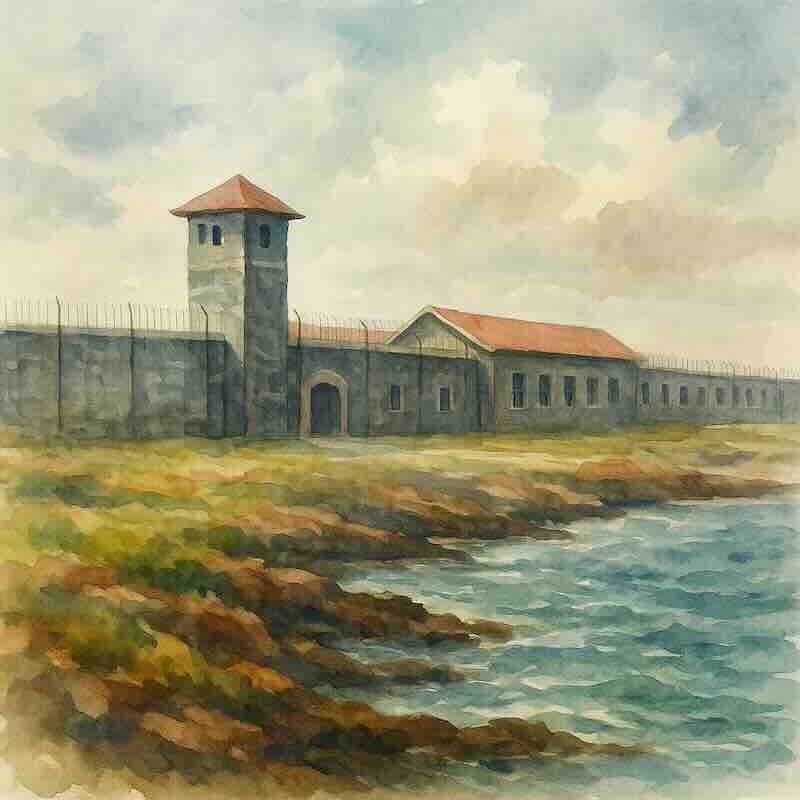
One day, the police came. They took Nelson away. He went to jail. He stayed in jail for 27 years. That is a long time. He lived on a small island. He worked every day. He broke rocks. He could not see his family much. But he did not give up. He still believed in peace and freedom.
Freedom and Forgiveness
In 1990, Nelson was free. He walked out of jail. Many people cheered. They waved their hands. They sang songs. Nelson was not angry. He said, “Let’s forgive. Let’s work together.” He wanted peace. He did not want to fight.
A New President
In 1994, Nelson Mandela became president. He was the first Black president of South Africa. People were happy. They danced in the streets. They said, “We are free!” Nelson worked hard. He wanted people to live together. He wanted children to go to school. He wanted jobs for all.
A Hero for the World
Nelson Mandela helped not only South Africa. He helped the world too. He said, “Peace is better than war.” He said, “Love is better than hate.” People all over the world loved him. He got many awards. He got the Nobel Peace Prize.
A Long Life
Nelson got old. He smiled often. He saw children laugh. He saw people shake hands. He died in 2013. He was 95 years old. The world cried. But people also smiled. They said, “Thank you, Nelson Mandela.”
Remembering Nelson
Today, we remember Nelson Mandela. He showed us how to be strong. He showed us how to be kind. He showed us how to forgive. He is a hero. He is a man of peace. He is a light for the world.
Level 2 Reader
594 Words
A Boy from the Countryside
Nelson Mandela was born in 1918 in a small village in South Africa. His birth name was Rolihlahla Mandela. He was part of the Xhosa people, and his father was a local chief.
Mandela grew up in the countryside. He looked after animals and played with other children. Life was simple, but Mandela loved learning. He went to school, where a teacher gave him the name “Nelson.” That was a common practice at the time.
Learning About Injustice
As Mandela grew older, he saw that Black people in South Africa were treated badly. They could not vote. They had to live in special areas called “townships.” They could not go to the same schools or use the same buses as white people.
This system was called apartheid, which means “separateness.” The laws of apartheid made life very hard for Black people. Mandela wanted to change this.
He went to university and studied law. He became one of the first Black lawyers in Johannesburg. He helped many people with legal problems.
Fighting for Freedom
In the 1940s, Mandela joined a group called the African National Congress (ANC). This group wanted to fight against apartheid. At first, they protested peacefully. They gave speeches, held marches, and asked the government to change the laws.
But the government said no. They arrested protesters. They used violence. The situation became worse.
Mandela and the ANC started using stronger actions. They burned passbooks. They refused to follow unfair laws. They also planned secret actions to stop the government.
A Long Time in Prison
In 1962, the police arrested Mandela. He was sent to jail for life. He spent 27 years in prison, most of them on Robben Island.
The prison was cold and dark. Mandela worked hard in the prison yard every day. He was not allowed to see his children grow up. He was not allowed to hug his wife. But Mandela stayed strong. He read books. He studied. He gave hope to others.
People around the world learned about Mandela. They asked South Africa to free him. Many people believed he was a hero.
A New South Africa
In 1990, the South African government finally freed Nelson Mandela. People danced in the streets. They sang his name. Mandela was old and had white hair, but he was full of hope.
He worked with the president, F.W. de Klerk, to end apartheid. Together, they changed the laws. In 1994, South Africa held its first free election. All people could vote, no matter the color of their skin.
Mandela won. He became the first Black president of South Africa. He said, “Let us build a nation together.”
A Message of Peace
As president, Mandela wanted peace. He did not want revenge. He wanted all South Africans—Black, white, rich, and poor—to live together.
He started the Truth and Reconciliation Commission, which helped people talk about the past. Some people said sorry. Others told their painful stories. Mandela believed that forgiveness was the best way forward.
He was president for five years. Then he stepped down and let someone else take his place.
A Global Symbol
After his presidency, Mandela worked to help children and people with HIV/AIDS. He traveled the world and spoke about peace and justice.
Many people loved Mandela. They called him “Madiba,” a special name from his tribe. Others called him “Tata,” which means father.
Mandela died in 2013, at the age of 95. People around the world cried and remembered his words: “It always seems impossible until it’s done.”
Level 3 Reader
618 Words
A Divided Country
Nelson Mandela was born in 1918 in a small village called Mvezo in South Africa. At that time, South Africa was a country divided by race. White people had all the power, while Black people had few rights. This system became official in 1948. It was called apartheid, and it kept people apart based on the color of their skin.
Mandela grew up in a royal Thembu family, but his father died when he was young. He was then raised by a chief and received a good education. He studied law at university and became one of the first Black lawyers in Johannesburg. There, he saw how unfair the laws were and decided to fight against them.
Fighting for Justice
In 1944, Mandela joined the African National Congress (ANC), a group that wanted equal rights for all South Africans. At first, the ANC used peaceful protests. But the government did not listen. In the 1960s, Mandela helped create a new group called Umkhonto we Sizwe (“Spear of the Nation”). They believed that violence might be the only way to end apartheid.
In 1962, Mandela was arrested. He was later sentenced to life in prison for his actions. He spent 27 years behind bars, mostly on Robben Island, a prison known for its harsh conditions.
Years in Prison
Life in prison was very hard. Mandela had to do physical labor every day. He was allowed few visitors and could not see his family often. But he never gave up. He continued to study, read, and write. Even in prison, he was a symbol of hope and resistance for many people in South Africa and around the world.
Over time, international pressure on the South African government grew. Countries around the world demanded Mandela’s release and called for an end to apartheid.
A New Beginning
In 1990, the South African president, F.W. de Klerk, finally released Nelson Mandela. After 27 years in prison, Mandela walked out a free man. But he did not call for revenge. Instead, he spoke about peace, forgiveness, and working together.
Mandela and de Klerk worked to create a new system for the country. In 1994, South Africa held its first election where people of all races could vote. Mandela was elected president. It was a historic moment. For the first time, South Africa had a Black president—and he was someone who had once been called a terrorist.
President and Peacemaker
As president, Mandela worked to unite the country. He helped create a Truth and Reconciliation Commission, where people could talk about the crimes of apartheid. The idea was not to punish, but to understand and heal.
Mandela also worked to improve education, healthcare, and housing for Black South Africans. He believed that democracy and equality must be supported by real changes in people’s lives.
In 1995, he used the Rugby World Cup to bring the nation together. South Africa’s mostly white team won the championship, and Mandela wore their shirt and shook hands with the captain. It was a powerful symbol of unity.
A Legacy of Peace
Mandela served only one term as president and stepped down in 1999. He believed that no leader should stay in power for too long. After retiring, he continued to support peace, education, and the fight against HIV/AIDS.
He passed away in 2013 at the age of 95. People around the world mourned his death. He had become a global symbol of justice, forgiveness, and hope.
Today, Nelson Mandela is remembered not just as a leader, but as a man who believed in change, even when it seemed impossible. His courage, patience, and deep belief in equality continue to inspire people everywhere.
Extensive Listening
Level 1 Audio
Level 2 Audio
Level 3 Audio
Natural Overview 1
Natural Overview 2
Natural Discussion
Audio is AI-generated using
AWS Polly or Google NotebookLM
Check Your Understanding
Comprehension Activity
A) In the article or B) Not in the article.